Luxor Valley of the Kings, Temple of Hatshepsut & Colossi of Memnon Tour - Lunch Included
US$ 21.86
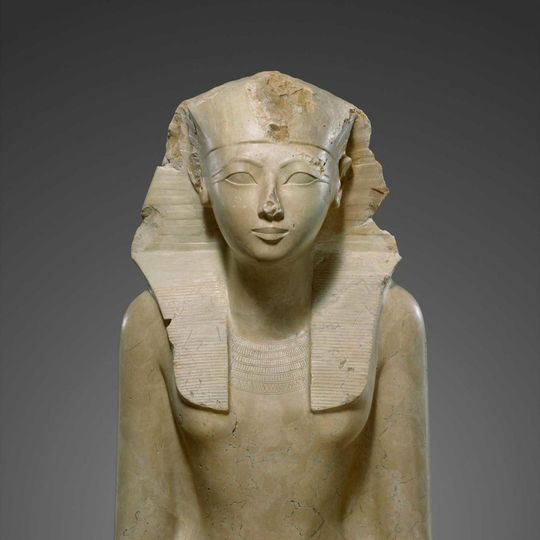
2026.10.17 (Last updated 2026.10.17)Directed by Travel Insider Jay
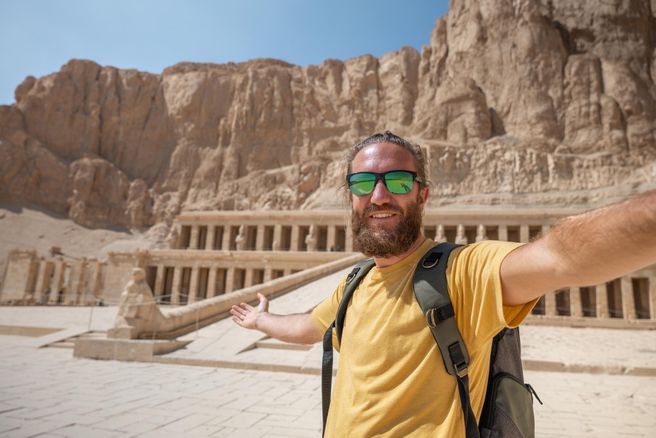
On Luxor's West Bank in Egypt, nestled against a towering cliff, stands a magnificent temple: the Mortuary Temple of Hatshepsut.
Built for Hatshepsut, an ancient Egyptian female pharaoh, this temple is renowned for its unique design, seamlessly blending with the natural landscape.
The long, tiered terraces and colonnades at the base of the massive rock face create an atmosphere distinct from other Egyptian temples.
An Architectural Marvel Merged with the Cliffs
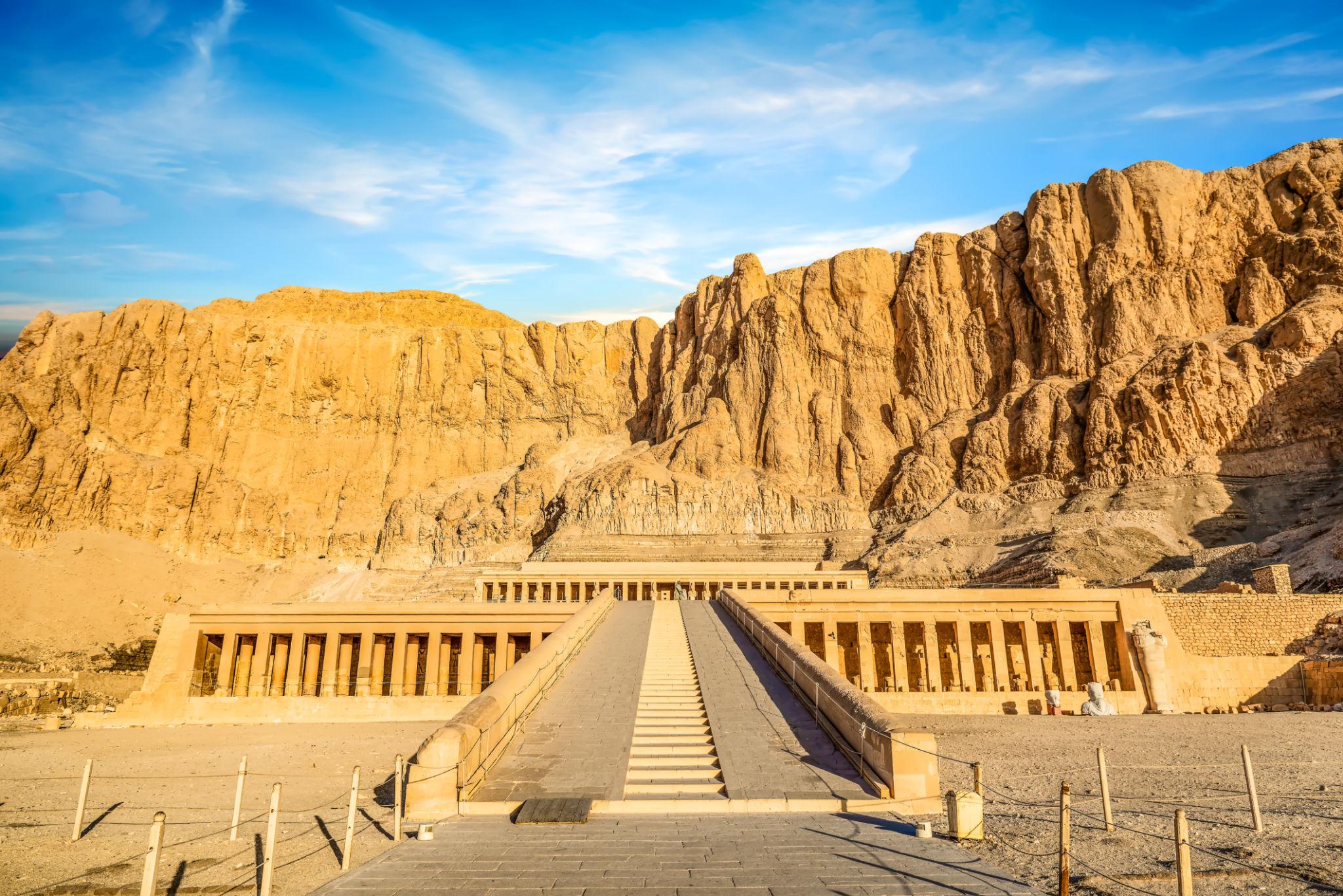
The Mortuary Temple of Hatshepsut is located in Deir el-Bahari on Luxor's West Bank. Behind it, a colossal limestone cliff rises, with multi-level terraces and long colonnades stretching out below.
The temple's design ingeniously incorporates the surrounding mountain. This harmony between nature and architecture is particularly striking in ancient Egyptian construction.
Viewed from a distance, the symmetrical structure and the immense cliff appear as a single, unified landscape. As you approach, the details of the columns, carvings, and the structure itself become more vivid.
The Story of Hatshepsut, the Female Pharaoh
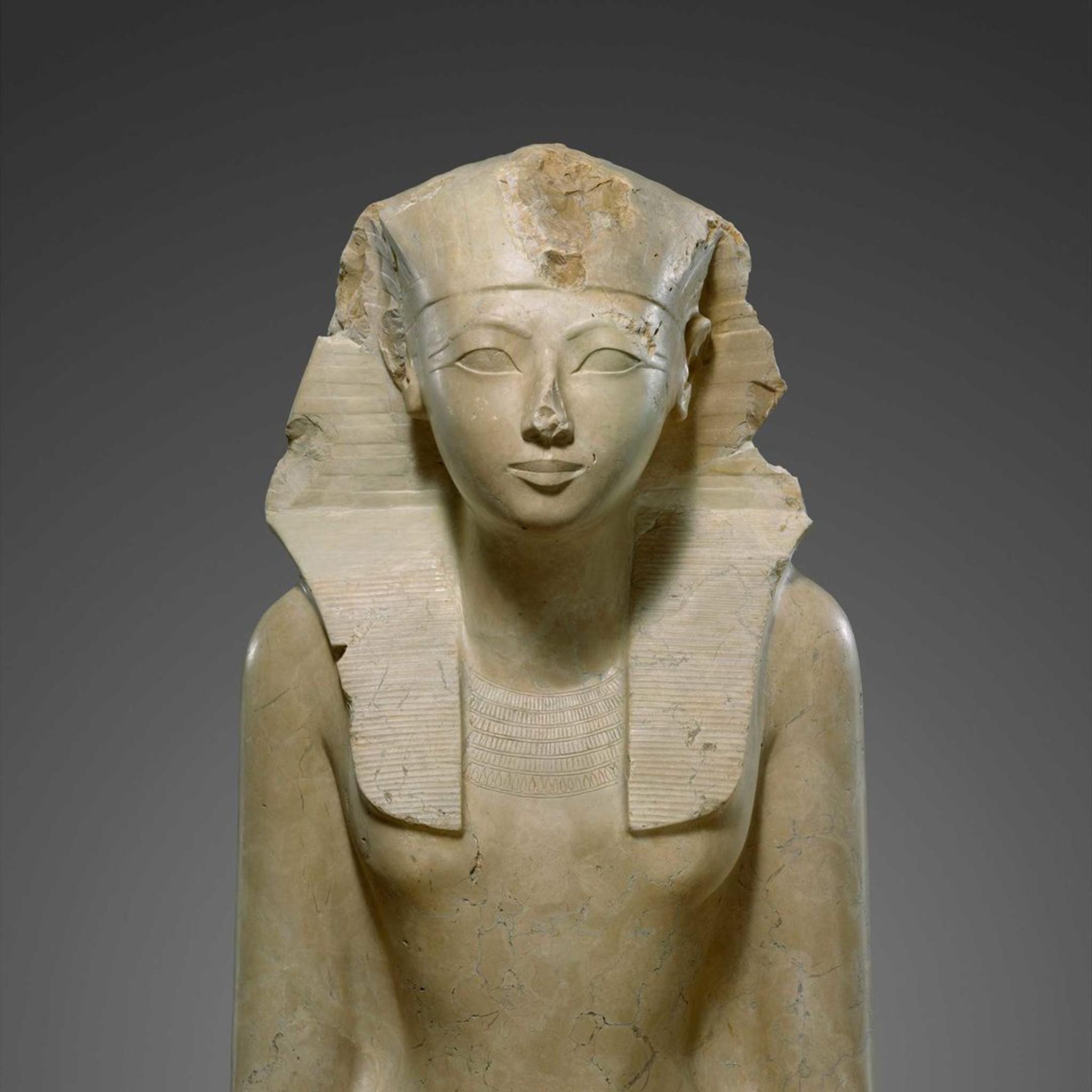
Hatshepsut was a pharaoh of the 18th Dynasty of ancient Egypt, reigning around the 15th century BCE. She is a significant historical figure, having ascended to the throne as a woman.
Her reign was marked by large-scale construction projects and extensive trade. The Mortuary Temple of Hatshepsut stands as a prime example of the monumental architecture built to commemorate these achievements and solidify her royal authority.
Throughout the temple, carvings and reliefs depict Hatshepsut's reign and religious significance. Exploring this site offers insights into the role of a pharaoh in ancient Egypt.
Murals Depicting the Expedition to Punt
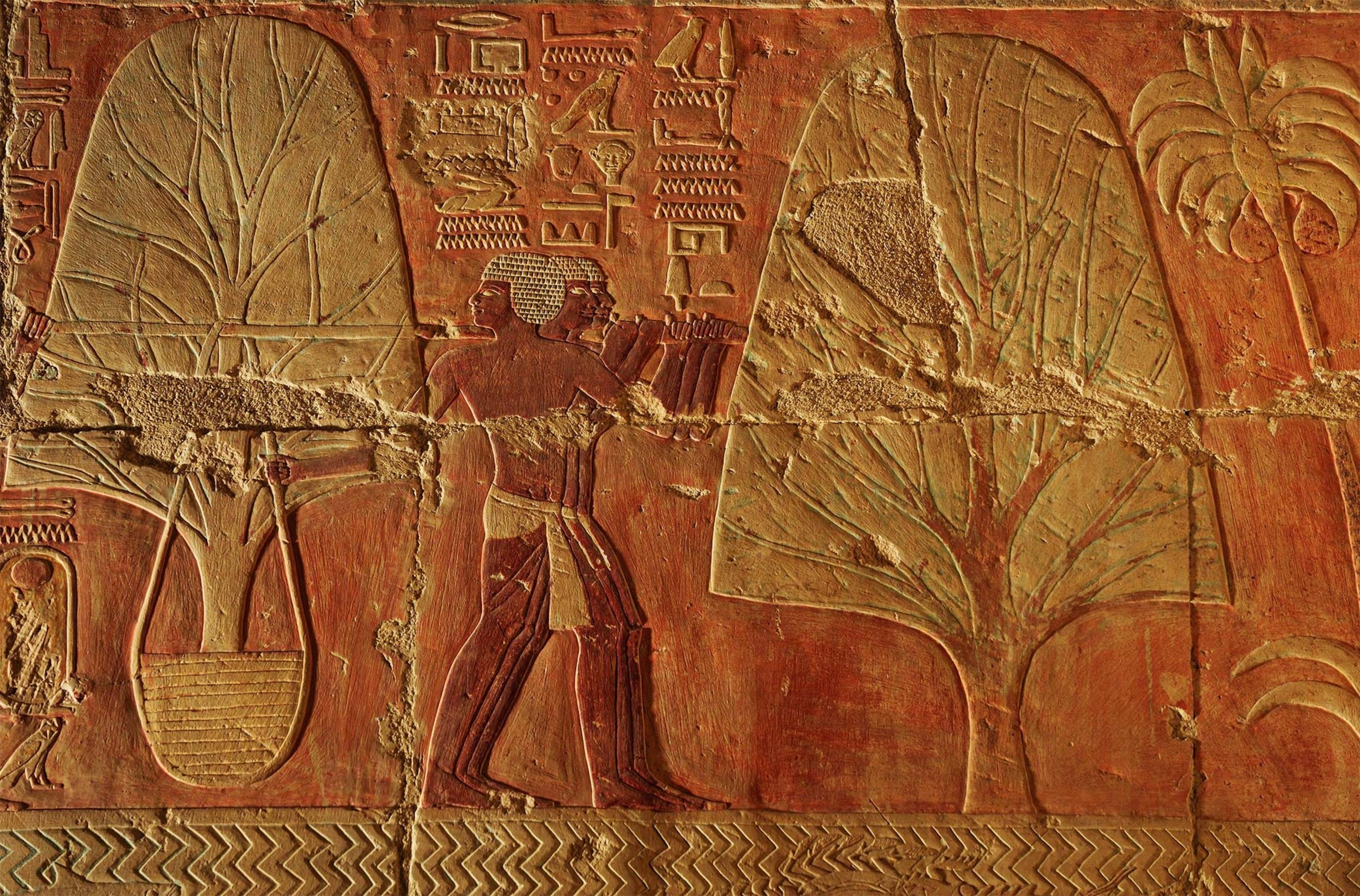
One of the key highlights of the Mortuary Temple of Hatshepsut is the relief depicting the expedition to Punt.
Ancient Egyptians traded with the land of Punt, bringing back incense and valuable goods. The temple walls feature scenes illustrating the expedition and trade activities of that era.
These reliefs serve as invaluable historical records, offering a glimpse into the politics, economy, and international relations of ancient Egypt. Beyond appreciating the sheer beauty of the architecture, you can uncover compelling historical narratives.
Enhancing Your West Bank Luxor Journey
The Mortuary Temple of Hatshepsut is considered a central attraction on Luxor's West Bank, alongside the Valley of the Kings.
While the Valley of the Kings allows you to explore pharaohs' tombs and their intricate murals, Hatshepsut's temple offers a grand architectural experience and the story of a remarkable female ruler.
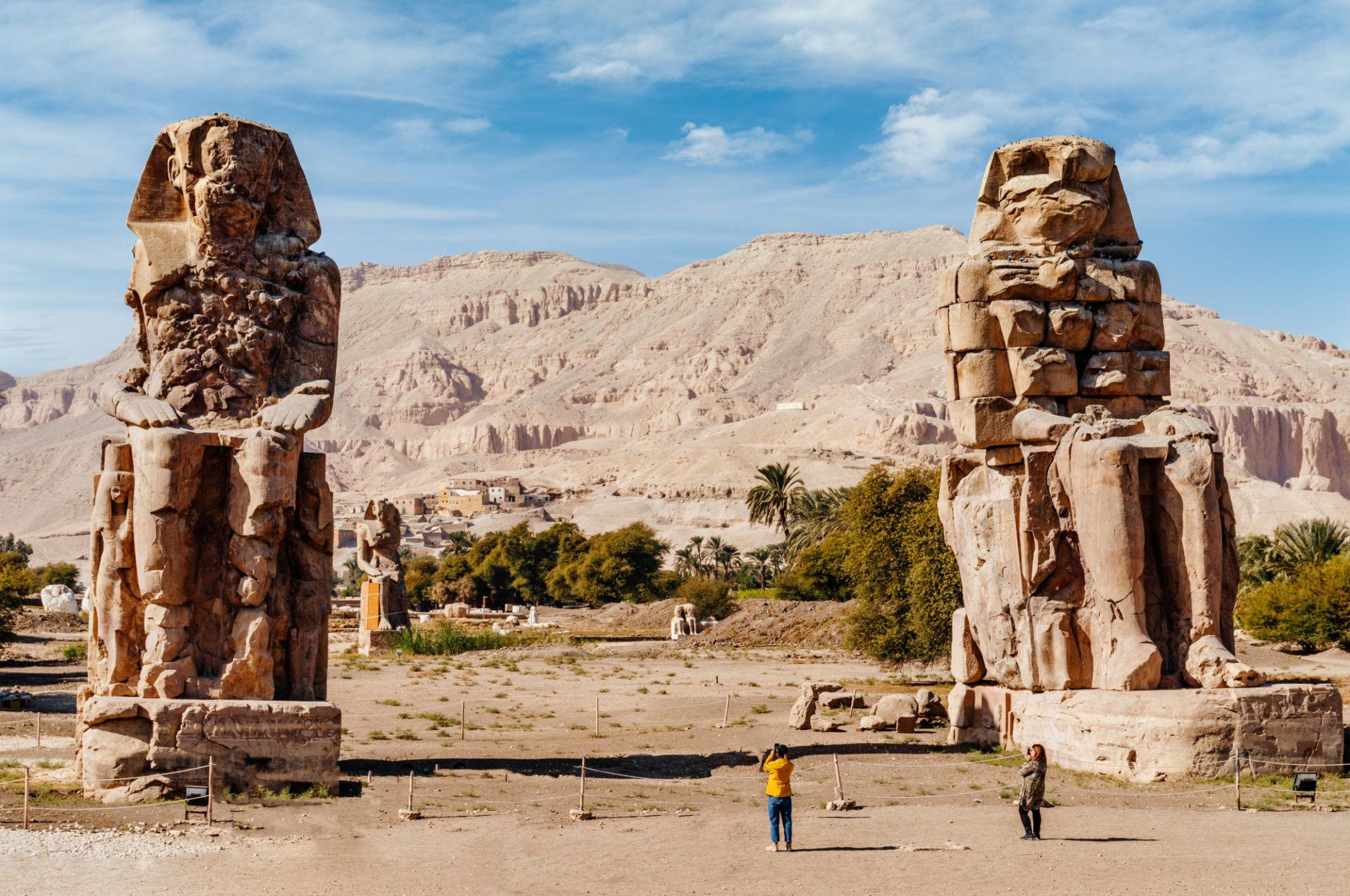
Consider adding a stop at the Colossi of Memnon on your way. These two massive statues are an iconic photo spot on Luxor's West Bank.
Luxor's ancient sites can get very hot and sunny during the day. Visiting in the morning is advisable, and it's important to bring plenty of water and wear comfortable shoes.