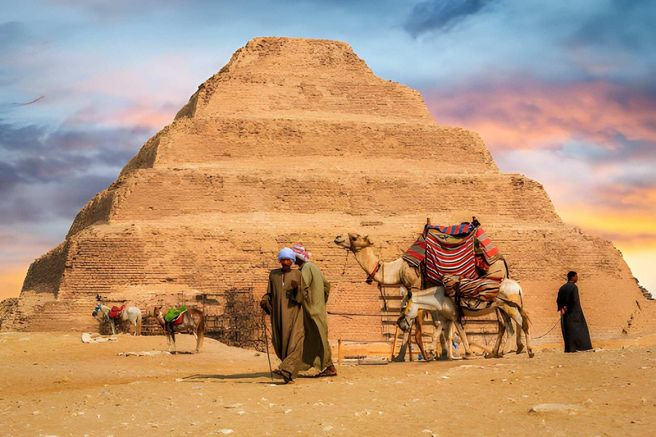
Cairo Saqqara, Dahshur Pyramids & Memphis Private Tour - Lunch Included
US$ 125.48
2026.10.16Directed by Travel Insider Jay
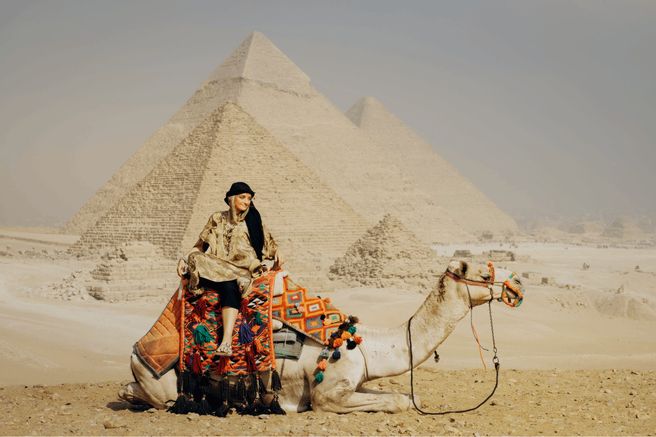
When most people think of Egyptian pyramids, they picture the three iconic structures at Giza. However, the outskirts of Cairo hold even more fascinating ancient ruins.
Key among these are Saqqara and Dahshur. Here, you can witness the evolution of ancient Egyptian architecture firsthand, from the stepped pyramids to the smooth-sided triangular forms.
While the Giza pyramids symbolize the pinnacle of ancient construction, Saqqara and Dahshur reveal how that expertise began and developed.
Saqqara: The First Monumental Stone Pyramid
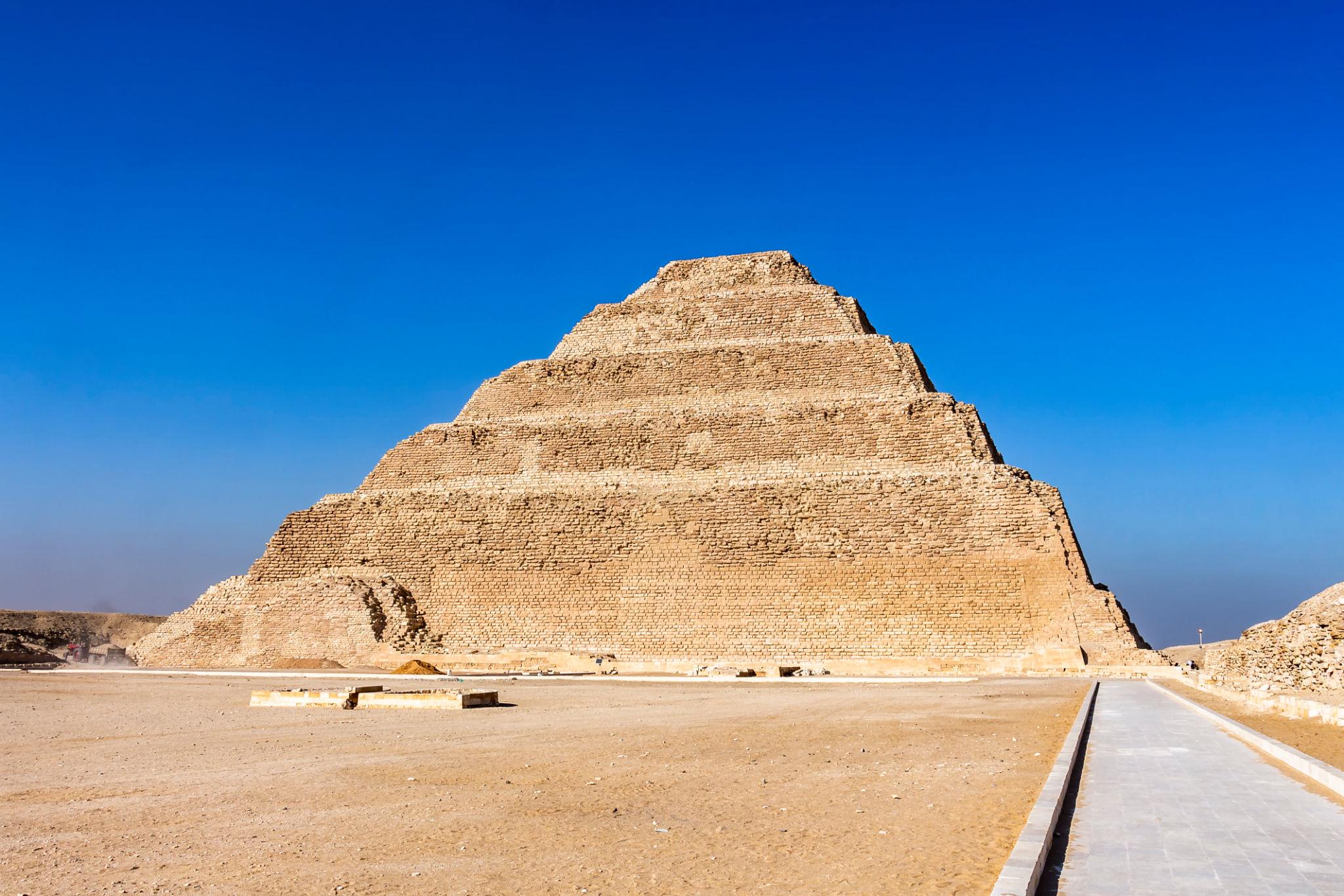
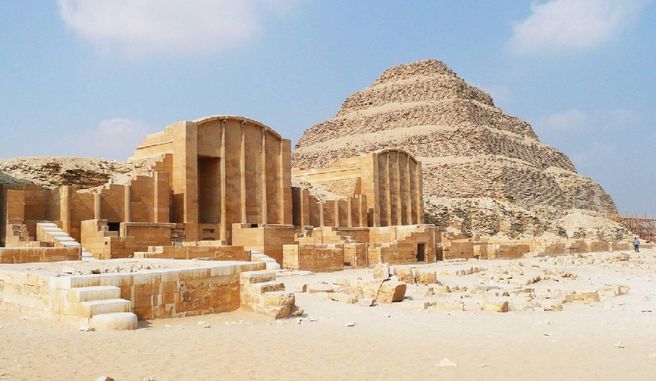
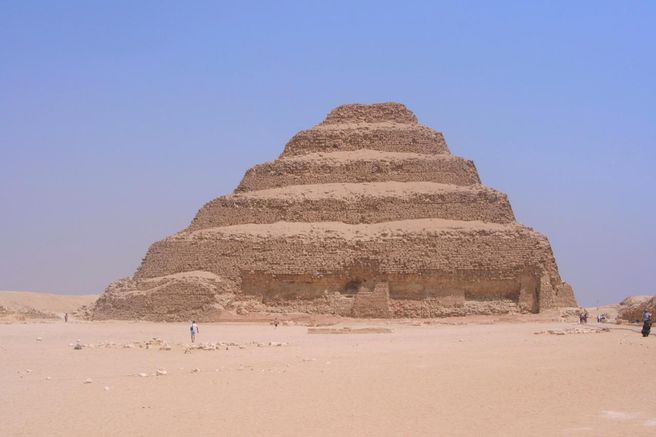
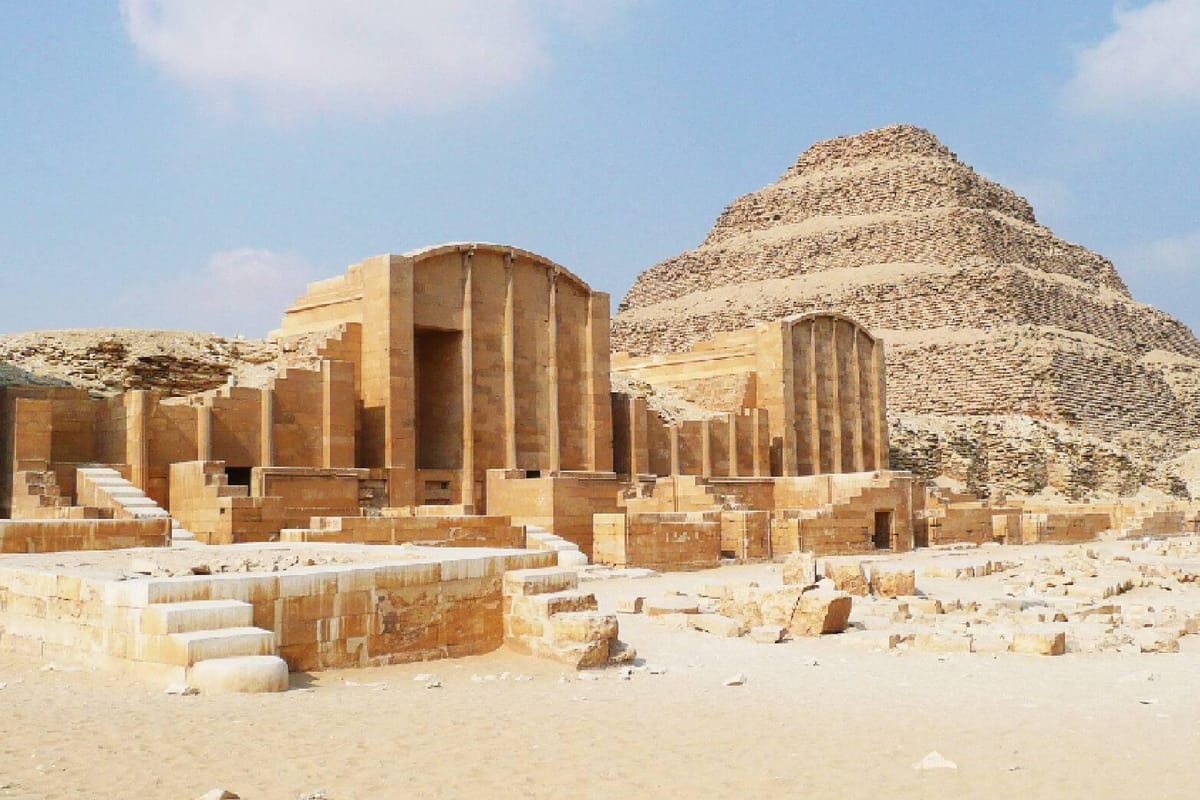
The most renowned site in Saqqara is the Step Pyramid of Djoser. Believed to have been constructed around the 27th century BC, it stands as one of ancient Egypt's earliest large-scale stone structures.
Unlike the typical smooth-sided triangular pyramids, its distinctive feature is its tiered, stepped design. This pyramid is also closely associated with the architect Imhotep.
The Step Pyramid of Djoser served as a crucial starting point for the subsequent development of pyramid construction in Egypt. Visiting this site before Giza can offer a more engaging understanding of pyramid history.
Dahshur's Bent Pyramid: The Secret of its Unique Angle
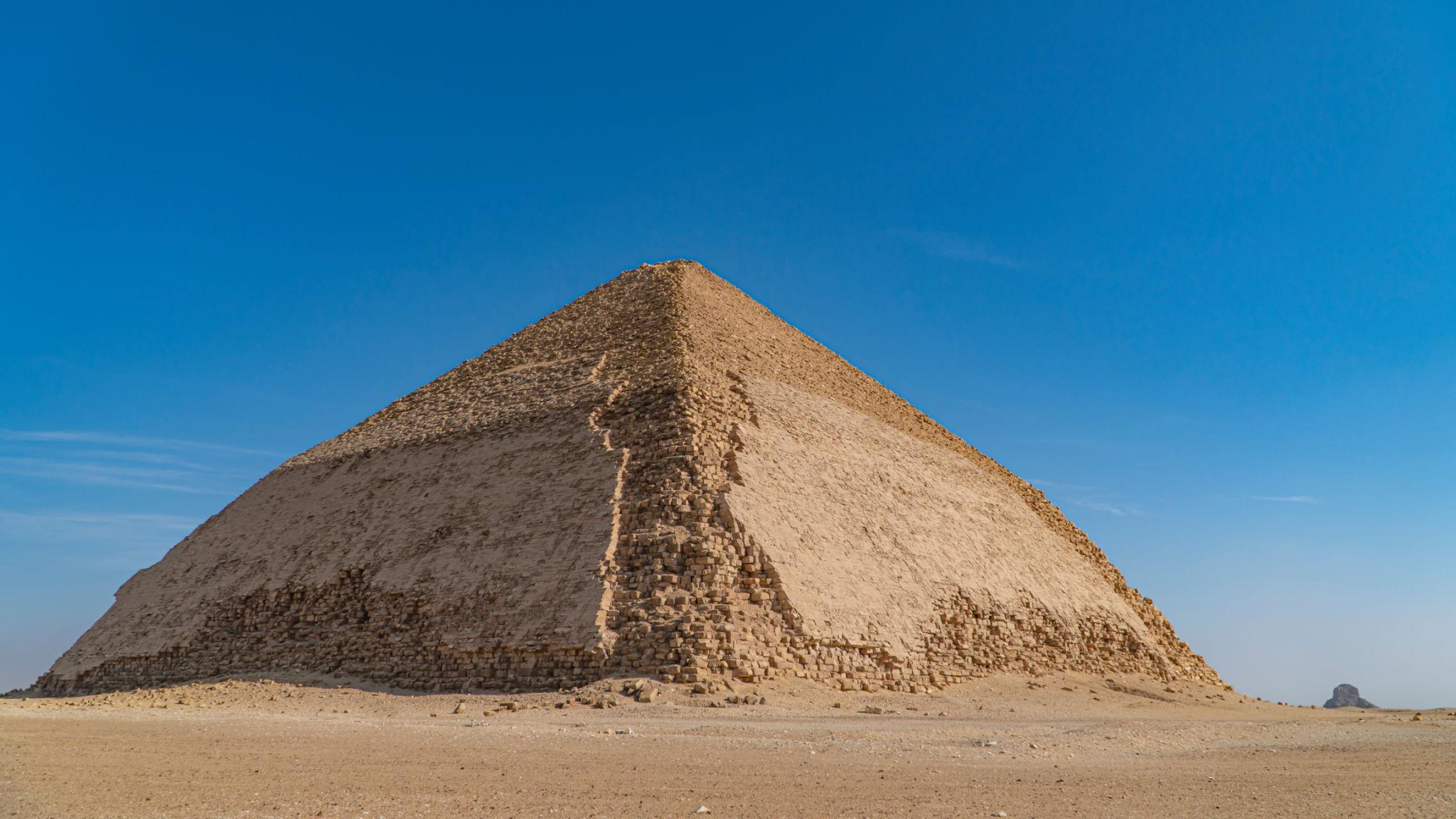
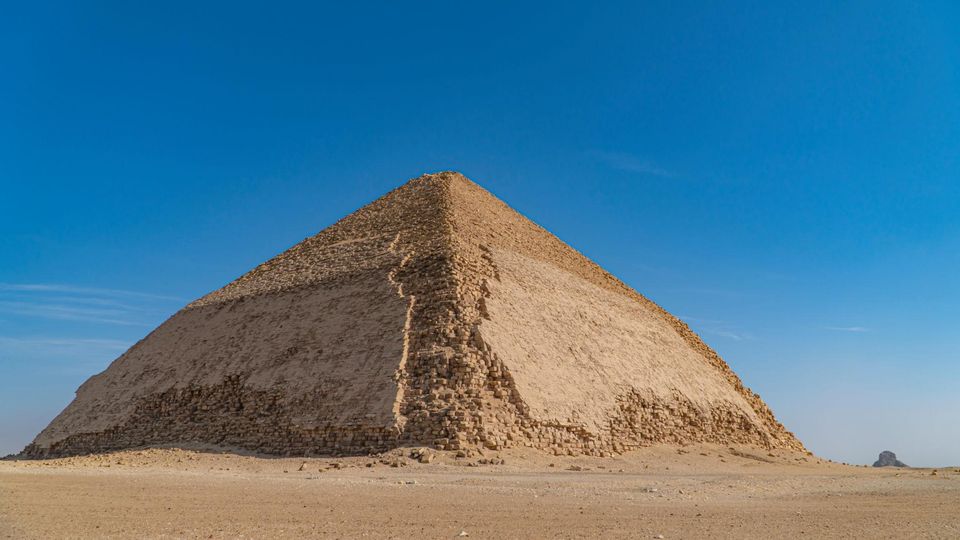
The most distinctive pyramid in Dahshur is the Bent Pyramid. Built during the reign of Pharaoh Sneferu, its unique characteristic is the change in angle partway up its structure.
The lower section rises steeply, but the angle becomes more gradual towards the top. This structural choice gives it a silhouette that clearly sets it apart from other pyramids.
The Bent Pyramid is a significant example from the early stages of constructing smooth-sided pyramids. It showcases the technical experiments ancient Egyptians undertook to complete these colossal stone edifices.
The Genesis of the True Pyramid
Another prominent ruin in Dahshur is the Red Pyramid. Like the Bent Pyramid, it is attributed to the era of Sneferu.
The Red Pyramid is one of the first successfully completed smooth-sided pyramids in ancient Egypt, demonstrating that pyramid construction technology had reached a significant milestone before the Giza pyramids emerged.
Its name comes from the reddish hue of the stone used in its construction. The sight of this massive pyramid, its color shifting with the sunlight, offers a different atmosphere compared to Giza.
Memphis: Encountering the Ancient Capital
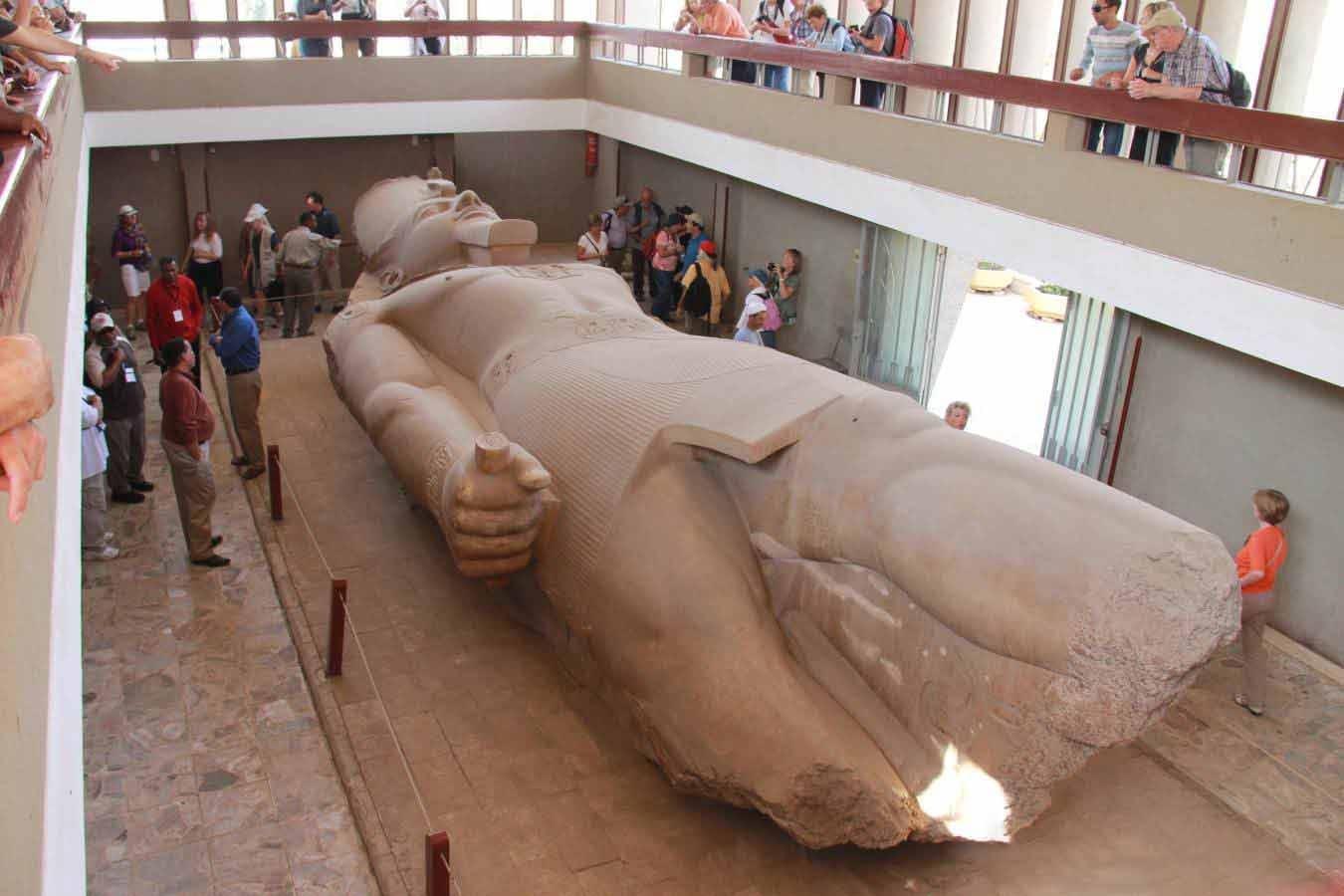
When visiting Saqqara and Dahshur, it's highly recommended to also explore Memphis. Memphis served as a vital capital and a center of political and religious life in ancient Egypt.
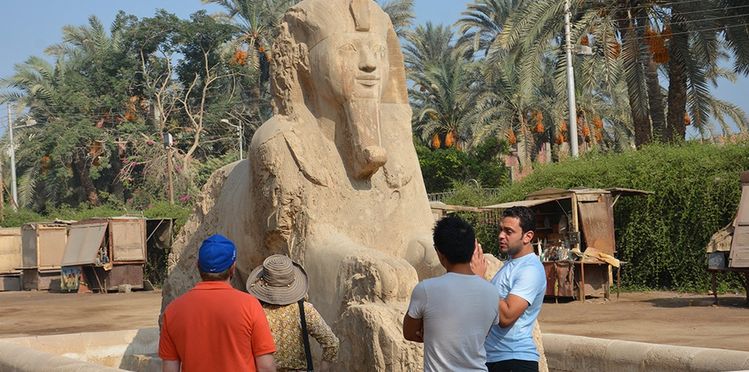
Today, its open-air museum allows visitors to see artifacts from ancient Egypt, including a colossal statue of Ramesses II. This provides valuable context for understanding the historical backdrop of the pyramid-building era.
For those traveling from Cairo, tours that combine Saqqara, Dahshur, and Memphis in a single day are available. Opting for such a tour can be a convenient way to efficiently visit multiple significant sites.