DMZ Tour from Seoul - Defector Q&A & Third Tunnel, Suspension Bridge Option
5.0
78 reviews
US$ 61.79
2026.10.11Directed by Travel Insider Jay
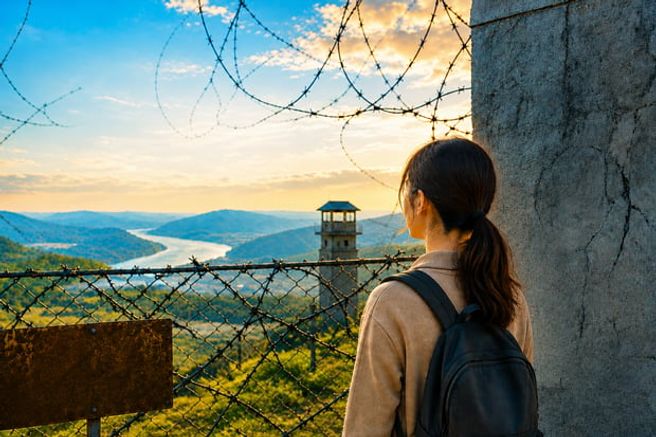
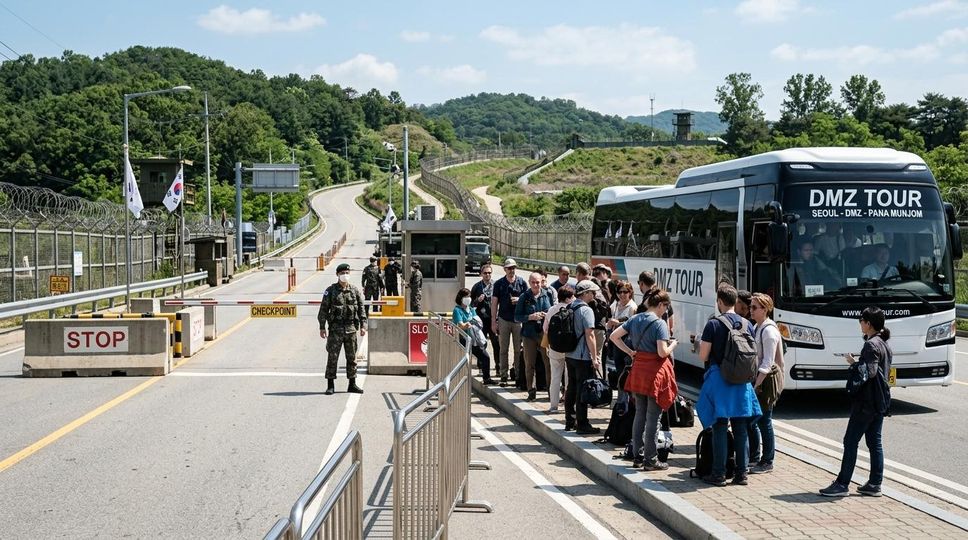
About an hour and a half north of Seoul, a completely different landscape unfolds. Instead of towering buildings and busy roads, you'll find barbed wire, military installations, and vast stretches of nature. This is the DMZ area, where you can get up close to Korea's division history.
DMZ, short for Demilitarized Zone, is an area established approximately 2km on either side of the Military Demarcation Line following the 1953 Korean War Armistice Agreement. While the fighting stopped, a peace treaty was never signed, leaving this area as a stark reminder of the Korean peninsula's division to this day.
A DMZ tour departing from Seoul is more than just a visit to a place near North Korea. It's a unique experience to understand Korea's modern history and witness the remnants of division firsthand.
The 3rd Infiltration Tunnel: Traces of Division Beneath the Ground
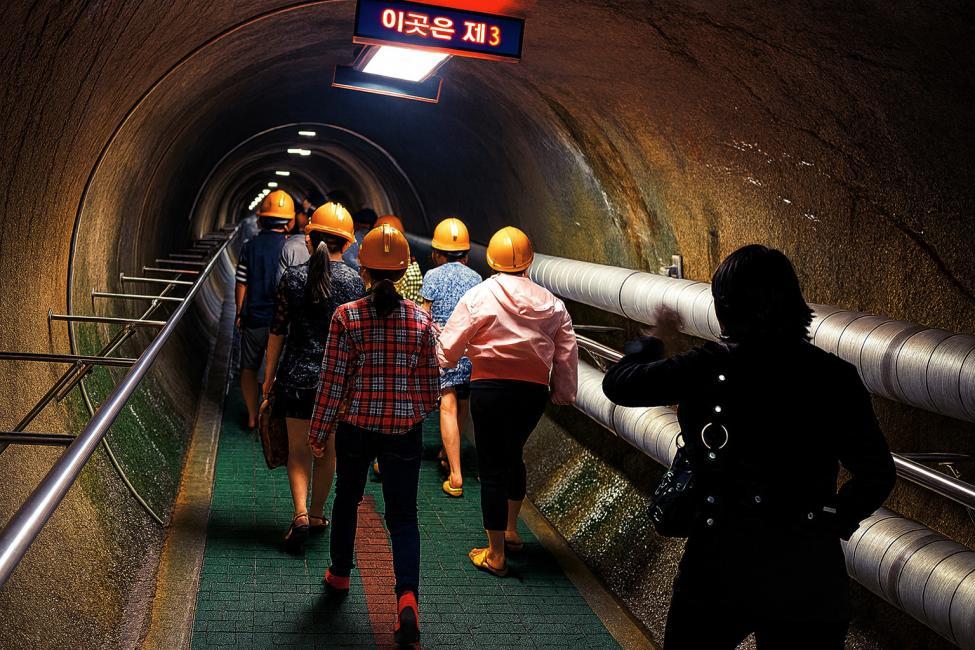
One of the most striking locations on a DMZ tour is the 3rd Infiltration Tunnel.
Discovered in 1978, the 3rd Infiltration Tunnel is an underground passage extending south from beneath the Military Demarcation Line. Identified as one of the infiltration tunnels dug by North Korea, it vividly illustrates the deep military tensions between the two Koreas.
Visitors can descend into a section of the tunnel, following on-site guidance. Walking through the steep underground ramps and narrow passages brings the division history you've read about in textbooks to life.
However, the tunnel has steep sections and low ceilings. If you have mobility issues or are sensitive to confined spaces, it's advisable to check the accessibility conditions beforehand. Photography may also be restricted, so adhere to the on-site regulations.
Dora Observatory: Gazing Towards North Korea
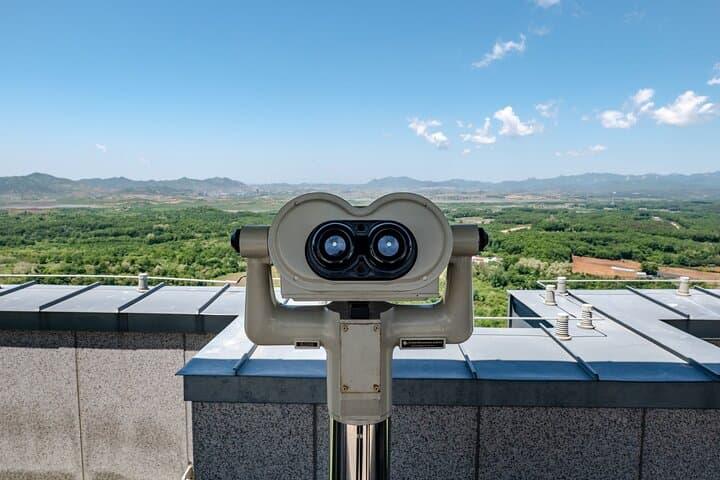
Along with the 3rd Infiltration Tunnel, Dora Observatory is another popular spot for many travelers.
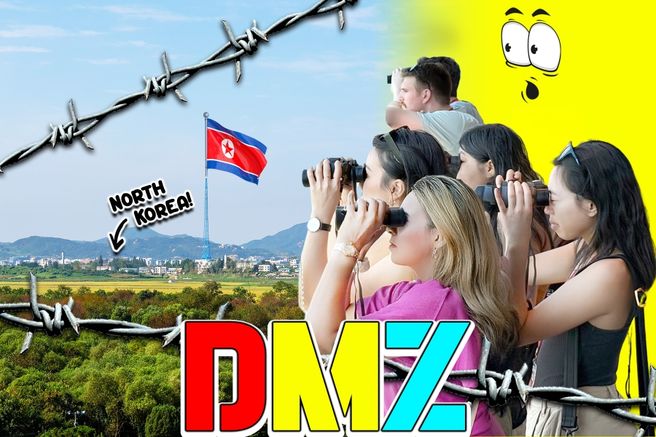
Dora Observatory is an observation facility that allows you to view areas of North Korea beyond the Military Demarcation Line. On clear days with good visibility, you can see parts of the Kaesong region and buildings in the northern area.
What makes this place special is not just the distant scenery, but the meaning it holds. The fact that the land in front of you, though geographically close, cannot be freely crossed makes the division of the Korean peninsula palpable.
Binoculars are available at the observatory to get a closer look, but the viewing range can vary depending on weather and military conditions. Photography is permitted only in designated areas and according to on-site guidance.
Imjingak: Where Stories of Peace Unfold
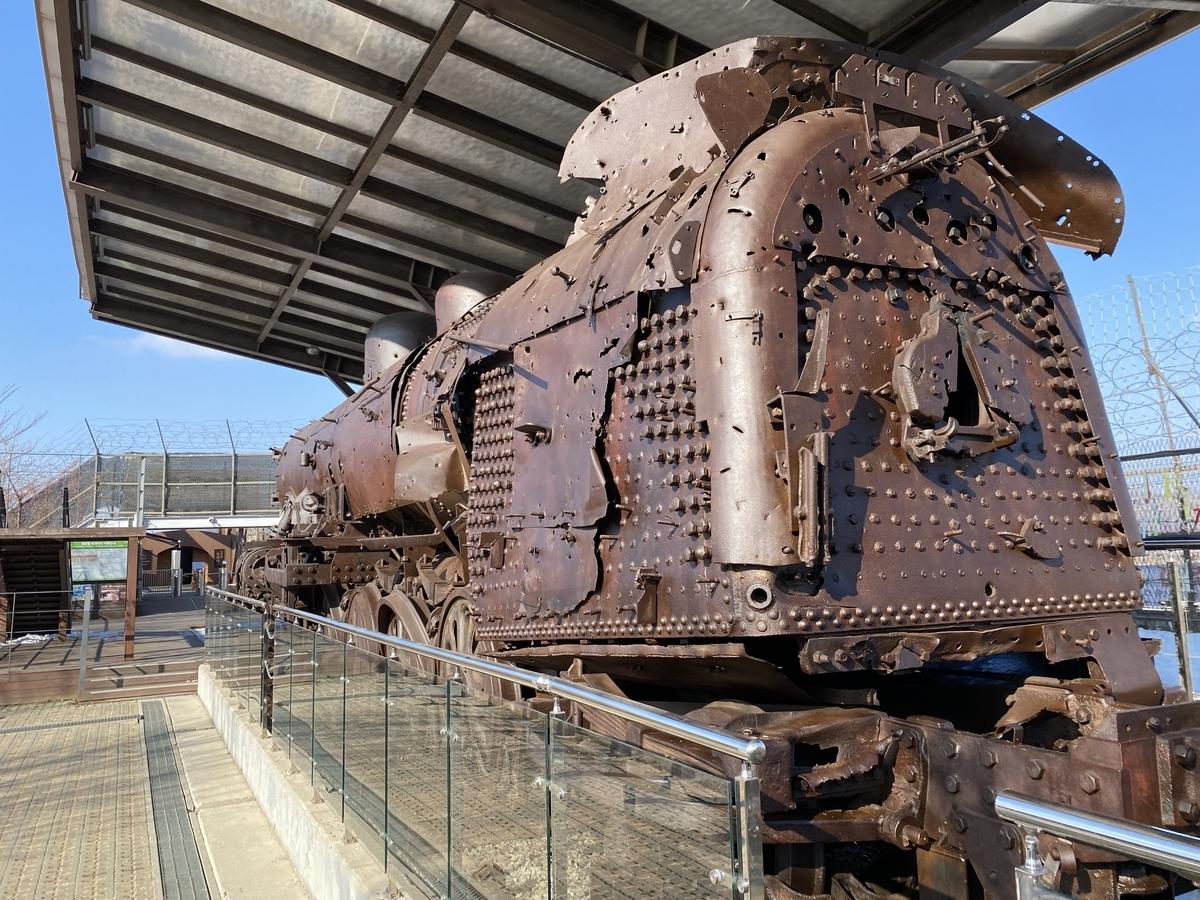
Imjingak is another significant site on a DMZ journey.
Imjingak preserves memories of the Korean War and division, conveying the sorrow of separated families unable to return to their hometowns and their hopes for peace.
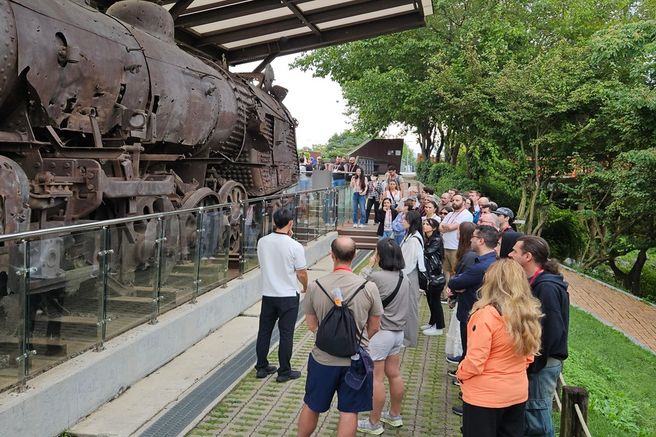
Here, you can find the Bridge of Freedom, exhibits showcasing remnants of the war, and spaces dedicated to peace. The wide grassy hills and windmills of Imjingak Pyeonghwa Nuri Park offer a different landscape from the historical weight of division.
For travelers new to the historical significance of the DMZ, exploring Imjingak can be a good way to reflect on how the Korean War impacted individual lives and families.
Things to Know Before Booking Your Seoul DMZ Tour
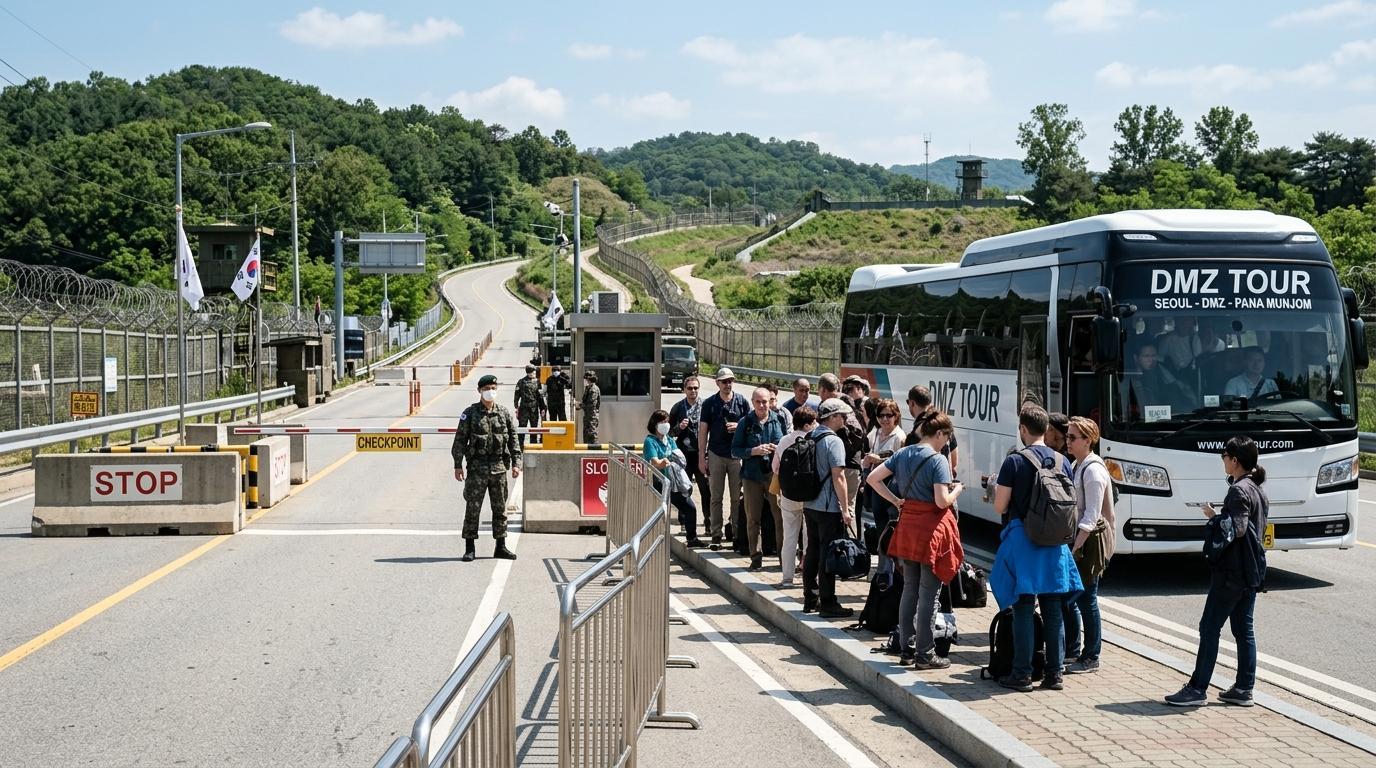
Unlike typical tourist destinations, the DMZ area is under military control. Access to certain facilities, such as the 3rd Infiltration Tunnel and Dora Observatory, is managed according to specific entry procedures and operational guidelines.
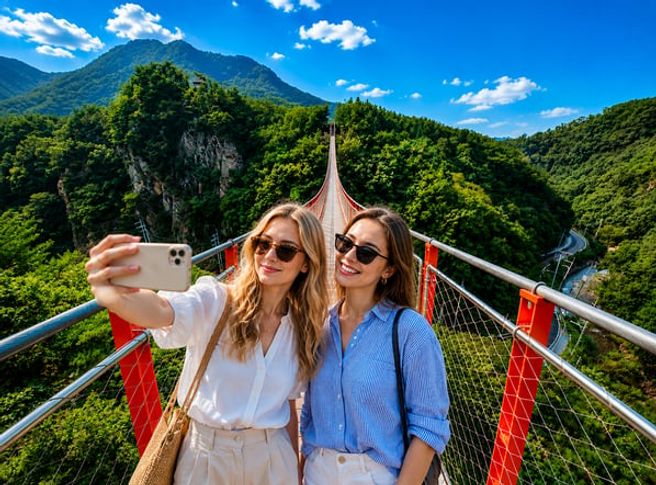
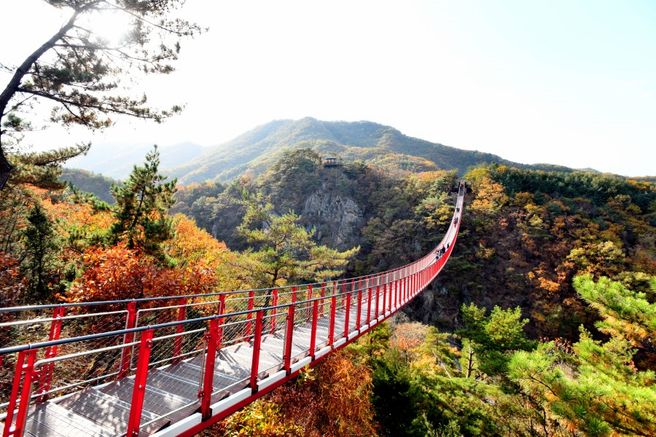
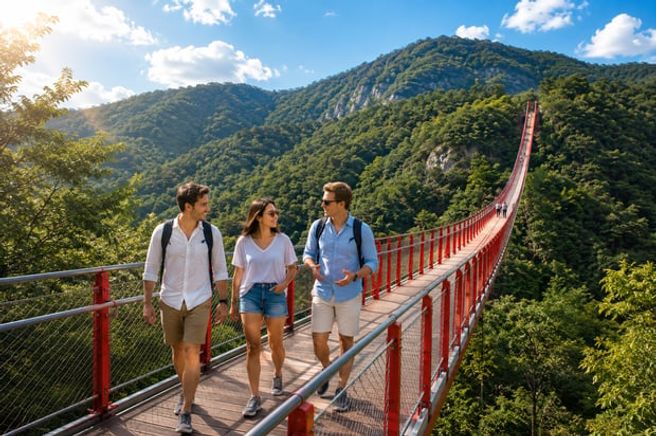
DMZ tours from Seoul typically depart from areas like Myeongdong or Hongdae and cover Imjingak and key DMZ attractions. Tours are usually half-day or full-day and may include additional stops like Gamaksan Suspension Bridge or Majang Lake.
When booking, it's important to confirm requirements like bringing identification (e.g., passport), departure points, guide language, and whether the 3rd Infiltration Tunnel is included. Foreign travelers, in particular, should carefully review the tour details, as entry conditions may vary based on nationality and personal status.
Furthermore, parts of the tour may be subject to last-minute changes or cancellations due to military situations or adverse weather. It's recommended to plan your DMZ tour with some flexibility.
A Truly Special Historical Journey from Seoul
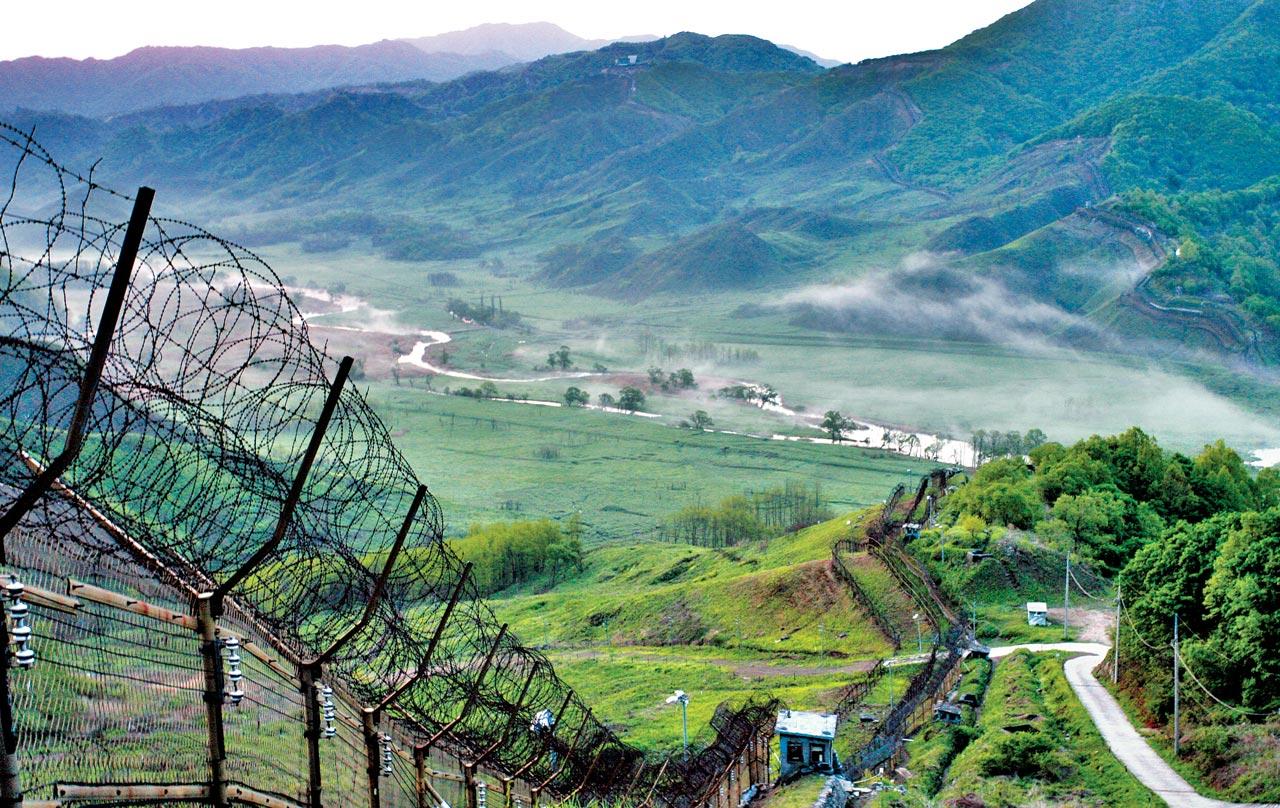
Seoul's palaces offer a glimpse into the Joseon Dynasty's history, and its traditional markets showcase daily Korean life. The DMZ, however, brings you face-to-face with more recent history, crucial for understanding contemporary Korea.
The dark passages of the 3rd Infiltration Tunnel, the distant views from Dora Observatory, and the war remnants at Imjingak all tell the story of division in their own unique ways.
If you're looking to gain a deeper understanding of Korea during your Seoul trip, consider a journey to the DMZ. You'll encounter stories that will linger long after the beautiful scenery.