Luxor Valley of the Kings, Temple of Hatshepsut & Colossi of Memnon Tour - Lunch Included
US$ 21.86
2026.10.17Directed by Travel Insider Jay
If you had to pick just one must-visit spot in Luxor, Egypt, the Valley of the Kings would be my top recommendation. Tucked away in the arid mountain terrain west of the Nile River, this is where pharaohs of Egypt's New Kingdom era chose to build their eternal resting places.
Though it may appear as a plain desert valley from the outside, hidden beneath the rocky mountains lie the tombs of kings, preserving vibrant murals and mythological tales. It's a unique archaeological site where you can directly explore how ancient Egyptians envisioned the afterlife.
The Kings' Tombs Hidden in the Desert Valley
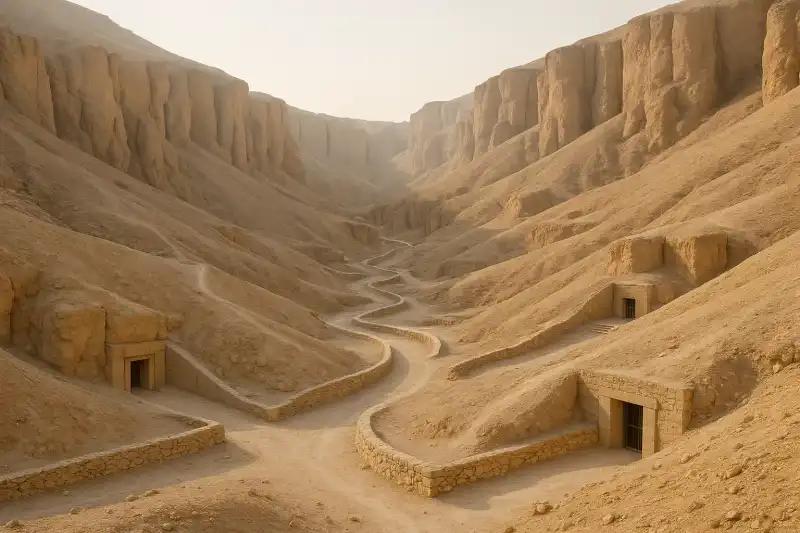
The Valley of the Kings served as the primary royal burial site from around the 16th to 11th centuries BCE, during Egypt's New Kingdom period. A distinctive feature is that instead of massive pyramids, tombs were carved deep into the rock mountains.
While the structure of each tomb varies slightly, many are designed with long corridors, staircases, and multiple chambers leading to the king's burial chamber. The walls depict scenes representing the sun god, the afterlife, and the pharaoh's eternal life.
Stepping inside an actual tomb reveals a world entirely different from the desolate desert landscape outside. The vivid colors and intricate hieroglyphs, painted thousands of years ago, make the Valley of the Kings exceptionally special.
A Visit to Tutankhamun's Tomb
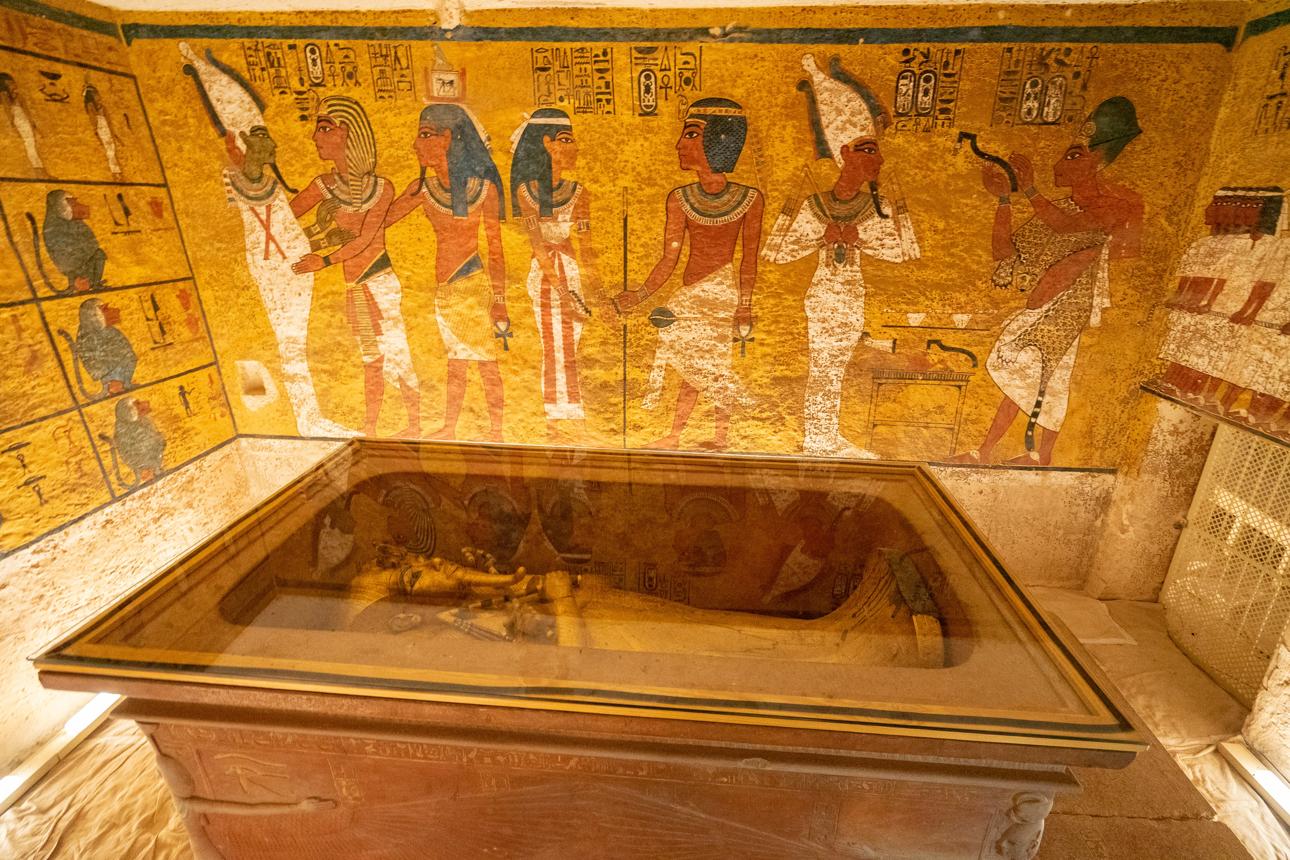
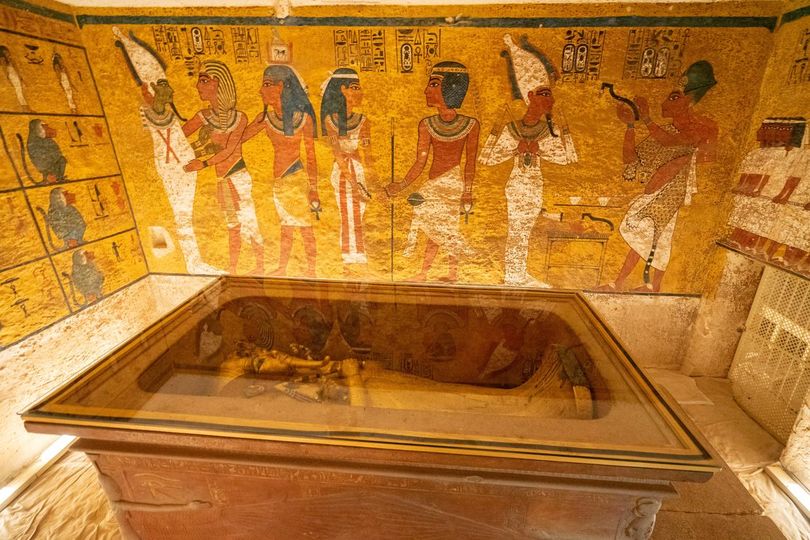
The most famous tomb in the Valley of the Kings is KV62, Tutankhamun's tomb. Discovered in 1922 by British archaeologist Howard Carter, it garnered worldwide attention due to the relatively intact condition of the grave goods found within.
Compared to the grand tombs of other kings, Tutankhamun's tomb is smaller in scale. However, it holds special significance for its historical importance at the time of discovery and the opportunity to see the king's burial space directly.
Key artifacts like Tutankhamun's golden mask are displayed in museums, not within the tomb itself. Additionally, Tutankhamun's tomb often requires a separate ticket in addition to the general entrance fee, so it's advisable to check this before your visit.
Murals in the Tombs of the Ramesses Kings
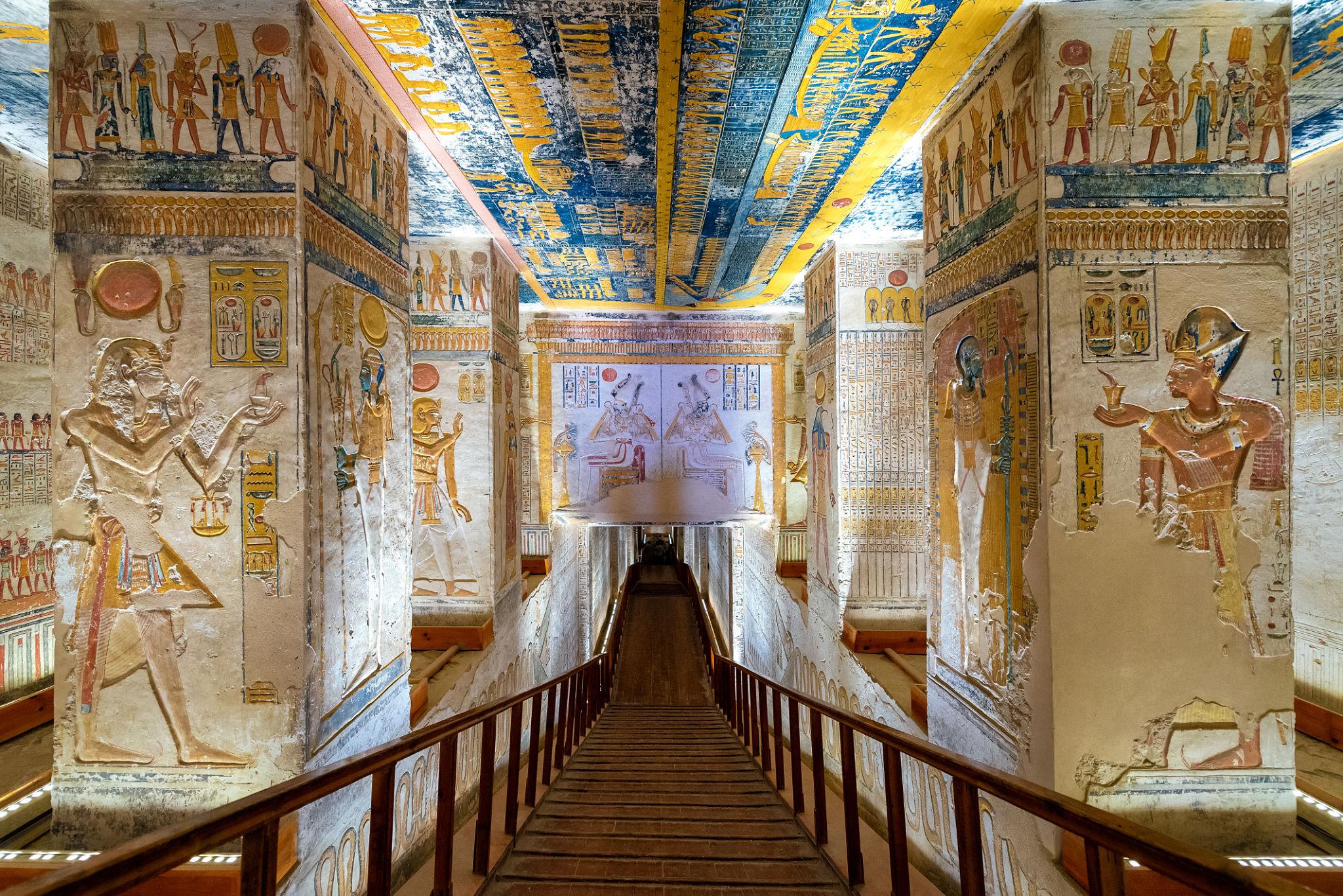
Beyond Tutankhamun, the Valley of the Kings houses the tombs of various Ramesses kings and other pharaohs. Some tombs feature stunning murals and ceiling decorations extending along long corridors.
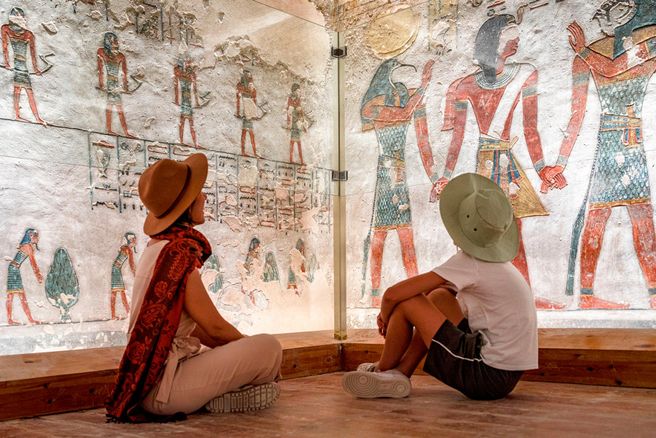
Ancient Egyptians inscribed the tomb walls with narratives of the journey to the afterlife and the stories of the gods. The paintings, a blend of blues, golds, and reds, are remarkably impressive, making it hard to believe they are thousands of years old.
However, not all tombs in the Valley of the Kings are always open to the public. The accessible tombs can change based on conservation efforts and operational status, so it's important to check which tombs are open on the day of your visit.
Choosing Your Valley of the Kings Tour
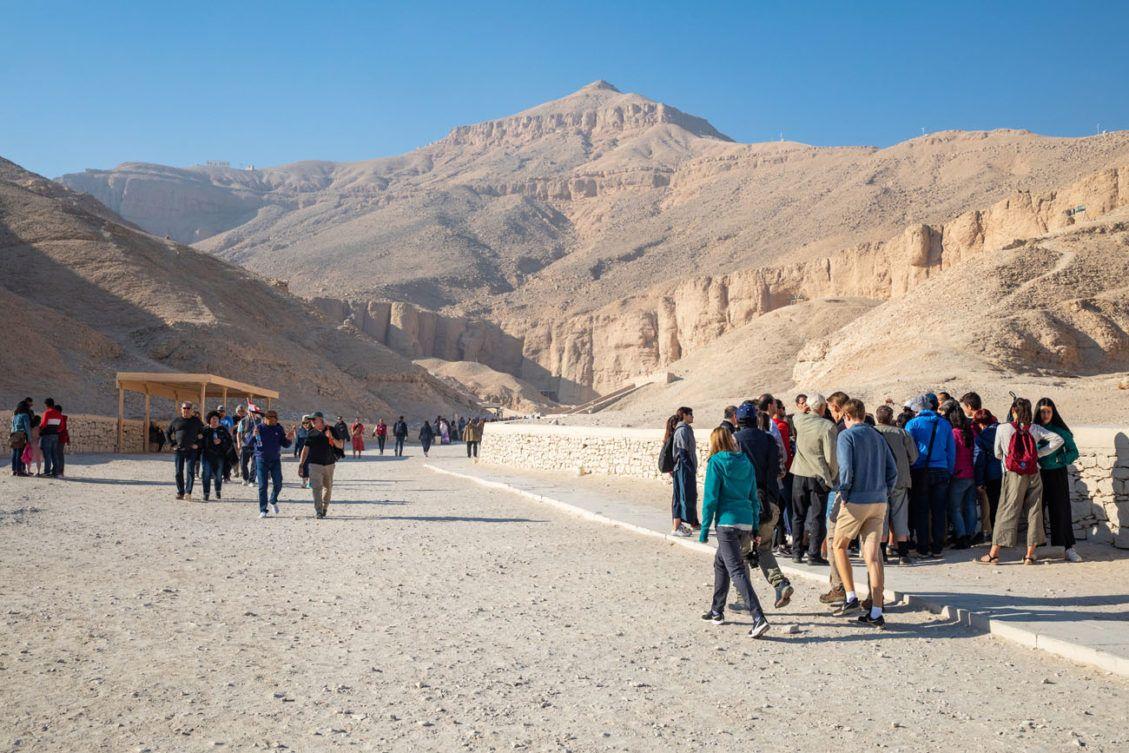
The Valley of the Kings is located on the west bank of the Nile in Luxor. It's separated from the main area with Karnak and Luxor Temples by the river, so you'll need to plan for transportation.
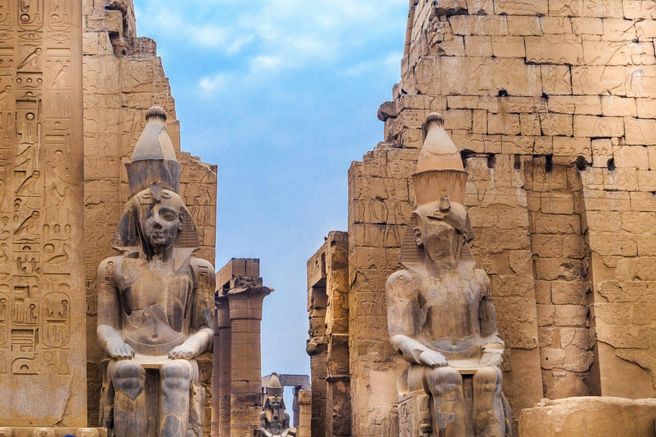
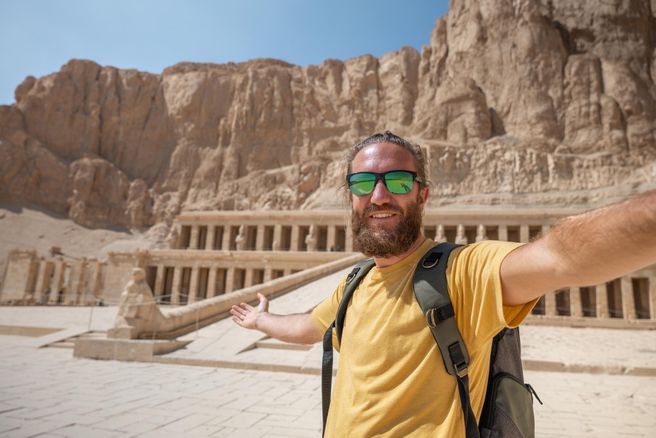
For first-time visitors, a West Bank tour that also includes the Mortuary Temple of Hatshepsut and the Colossi of Memnon is a great option. This allows for an efficient visit to multiple sites while understanding the historical context of each location.
The Valley of the Kings has limitations on the number of tombs accessible with a general admission ticket, and some special tombs require separate fees. Be sure to check if your chosen tour package includes entrance fees and tickets for special tombs.