Milan City Card (24-Hour Public Transportation Pass)
US$ 15.07
2026.08.26 (Last updated 2026.08.26)Directed by Peace
When people think of Milan, the Duomo, luxury fashion and shopping are probably some of the first things that come to mind. But one of the things I enjoyed most when visiting was how quickly the city seemed to change depending on where we wandered. One minute, we were surrounded by historic architecture in the heart of Milan, and later we were walking beside canals or through a park surrounded by some of the city's most recognisable modern buildings.
So, rather than sticking to just the famous landmarks, this guide explores three different sides of Milan that I experienced during my trip: the historic centre around the Duomo, the colourful canals of Navigli, and the contemporary architecture of Porta Nuova. With a few WAUG experiences along the way, here's how you can explore them for yourself.
Start in the Heart of Milan
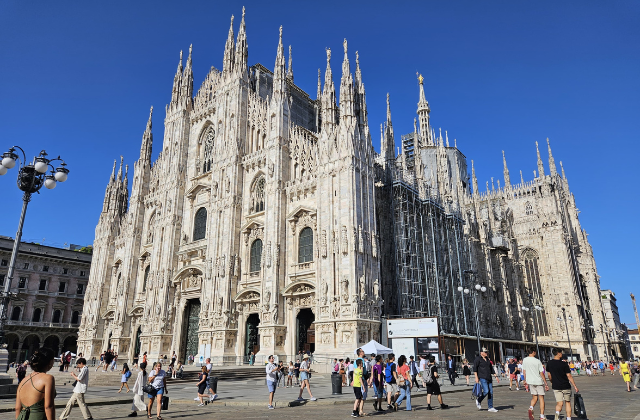
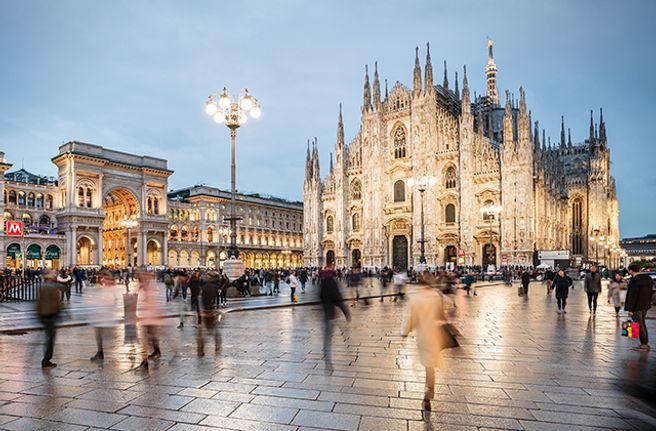
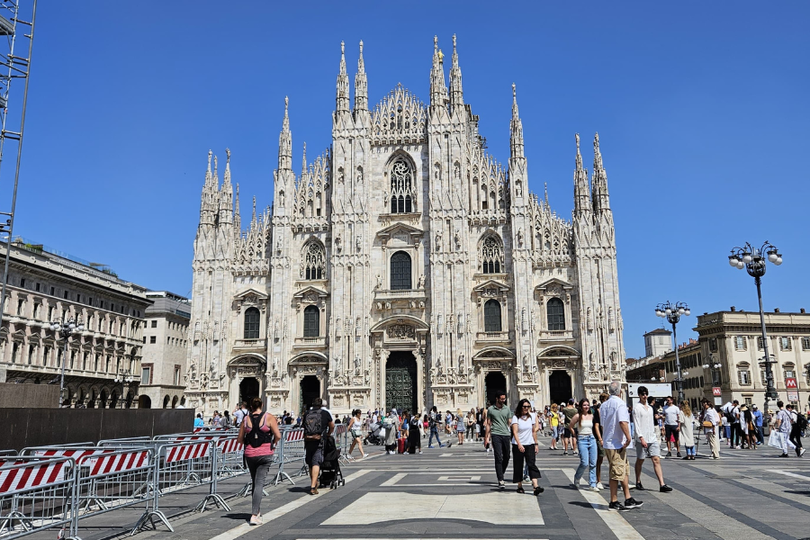
There’s a reason Piazza del Duomo is one of the first places most people head to in Milan. It’s the historic heart of the city, but it’s also one of its busiest, with some of Milan’s biggest landmarks, museums and shopping streets all gathered around the same area. The first time I visited was on a five-day family trip around three years ago, and I remember the square being constantly lively. Tourists were everywhere taking pictures, photographers were offering to take photos for people around the plaza, and I even remember seeing someone sitting and painting amongst everything going on. Then, of course, you have the Duomo towering over all of it.
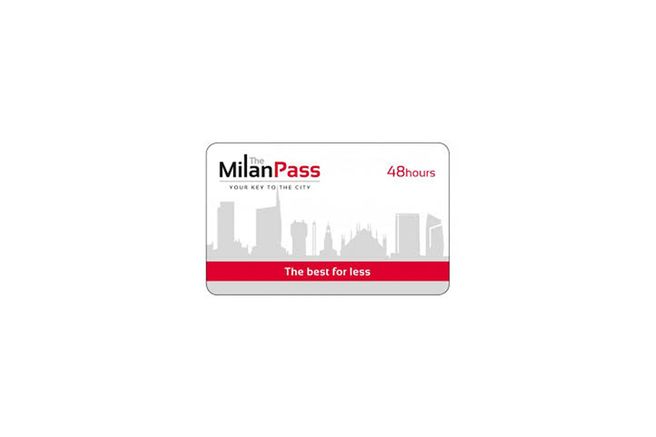
If you’re planning to explore several attractions while you’re in Milan, WAUG also has the Milan City Pass (48 / 72 Hours), as well as a 24-Hour Milan City Card for public transportation. There are also several individual Duomo tickets available, so you can choose whichever option works best for your trip.
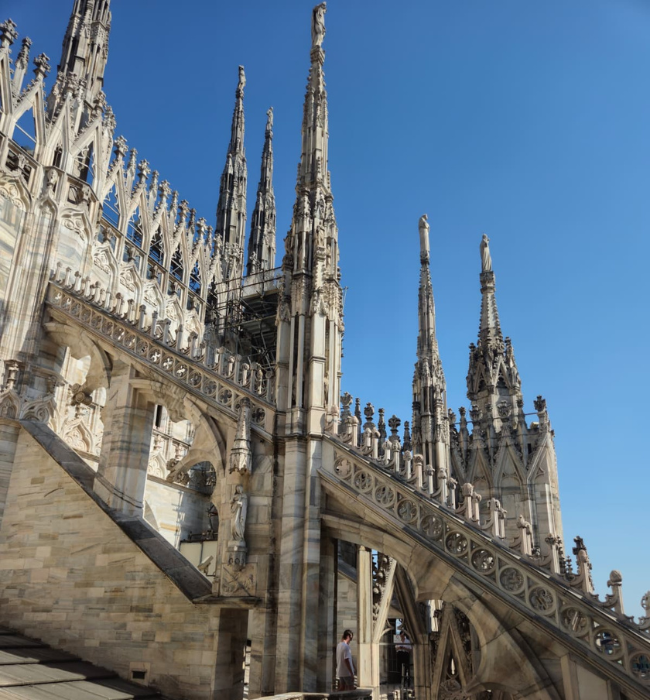
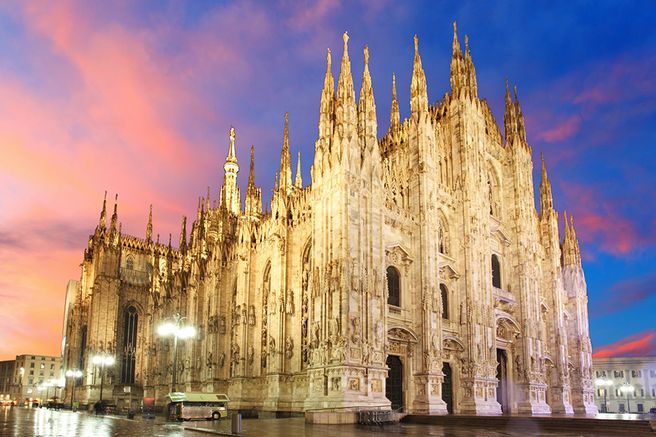
The Duomo di Milano is almost impossible to appreciate properly through pictures. Construction began all the way back in 1386, and the cathedral is covered in thousands of statues, carvings and spires — which probably explains why I came home with so many photos of it. I honestly don't remember every detail of the visit three years later, but I definitely remember being amazed by the architecture. We went inside the cathedral and also had access to the rooftop, where you can actually walk amongst the spires and see all that stonework much closer instead of staring at it from the plaza below.
If you're visiting for the first time, this is one experience I wouldn't skip. WAUG has several ways to visit the Duomo depending on how you want to explore it. You can book the Milan Cathedral & Rooftop Ticket to explore independently, or join the Milan Cathedral Interior & Rooftop Guided Tour with priority access and a guide. Personally, I'd still choose to see both the interior and rooftop — the rooftop was one of the most memorable parts of my visit.
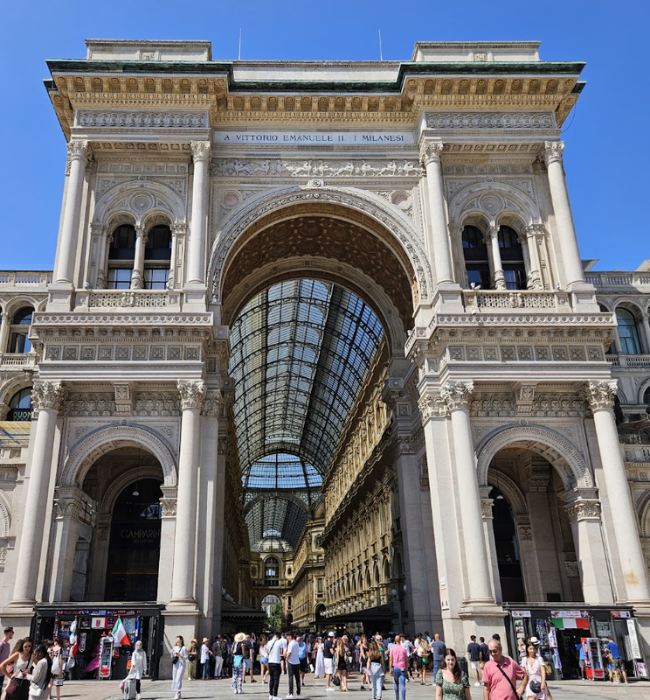
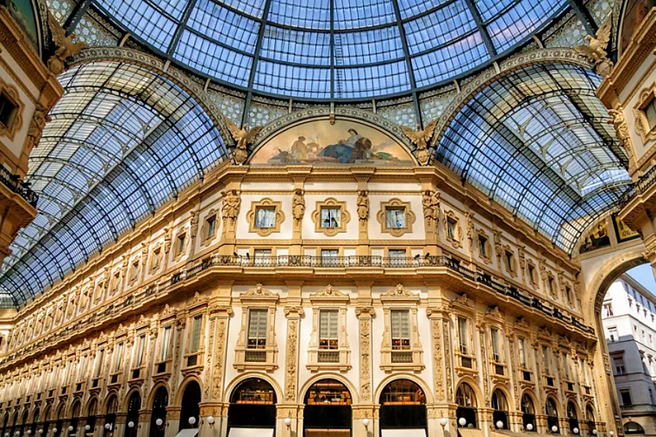
And somehow, the architecture doesn't stop once you leave the cathedral. Right beside Piazza del Duomo is Galleria Vittorio Emanuele II, and this was another place where I remember immediately looking up. The nineteenth-century gallery connects Piazza del Duomo with Piazza della Scala, but calling it a shopping centre almost feels unfair when the building itself is such a huge part of the experience. Today, it's filled with luxury stores, restaurants and cafés, which only adds to how grand the whole area feels.
At the centre, its covered walkways meet beneath a huge iron-and-glass dome, forming an octagonal space below. I didn't know much about the architecture when I first walked through it, but the glass roof and detailing were already enough to make me stop and take pictures. Learning more about its design a few years later only made it more interesting to me. Whether you're actually planning to shop or just walking through, definitely look up — this is one of those places where the building itself is the attraction.
Slow Down Along the Navigli
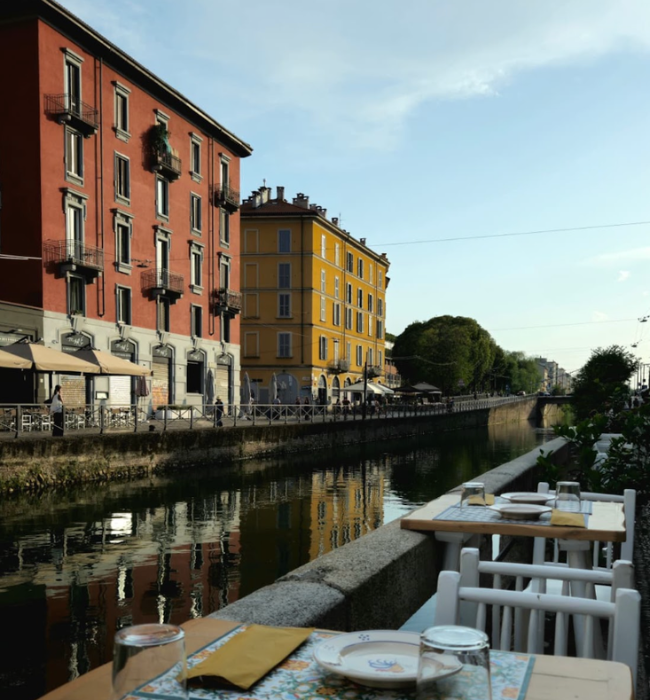
For a completely different side of Milan, head towards Darsena and the Naviglio Grande. Milan once had a much larger network of canals used for transporting goods through the city, with Darsena historically serving as its main port. Today, the area is lined with restaurants, cafés, shops and plenty of smaller pop-ups along the water.
I explored Navigli with my younger sister one evening, walking along the streets on either side of the canal and crossing the little bridges between them. One of the bridges was even covered in love locks left behind by visitors. Between the colourful buildings, little stores and stalls we came across, and everything happening along the water, the whole area was incredibly beautiful to walk through.
I'd definitely recommend spending an evening around Navigli while you're in Milan. You can stop somewhere for food or drinks, browse whatever shops and pop-ups you come across, or simply take a stroll along the canal and enjoy the area as it gets later.
Discover Milan’s Modern Side
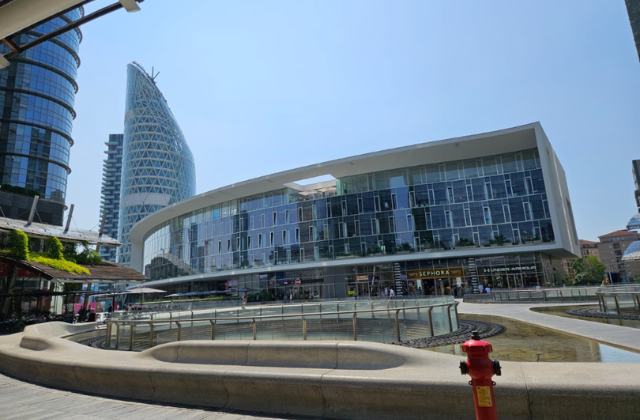
As someone who loves architecture, Bosco Verticale was already on my list of places I wanted to see in Milan. What I wasn't expecting was how much I'd enjoy the area around it too. We took the train to Porta Nuova and came up through the shopping area around Piazza Gae Aulenti, where there were plenty of restaurants and shops surrounded by modern buildings. We had amazing weather that day, and coming up the escalators into the open plaza with the sun out was such a nice introduction to this completely different side of Milan.
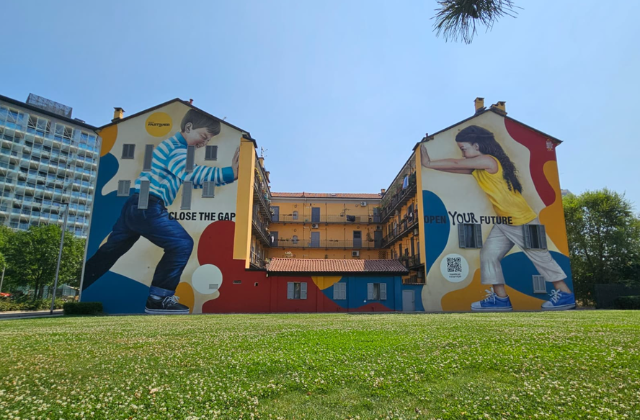
From there, we made our way into BAM – Biblioteca degli Alberi Milano, and the park was honestly breathtaking. It's a huge contemporary botanical garden in the middle of Porta Nuova, designed with intersecting paths, gardens, meadows, artwork and circular groups of trees. We spent some time just walking around and enjoying the area before eventually heading towards the building I'd actually come to see.
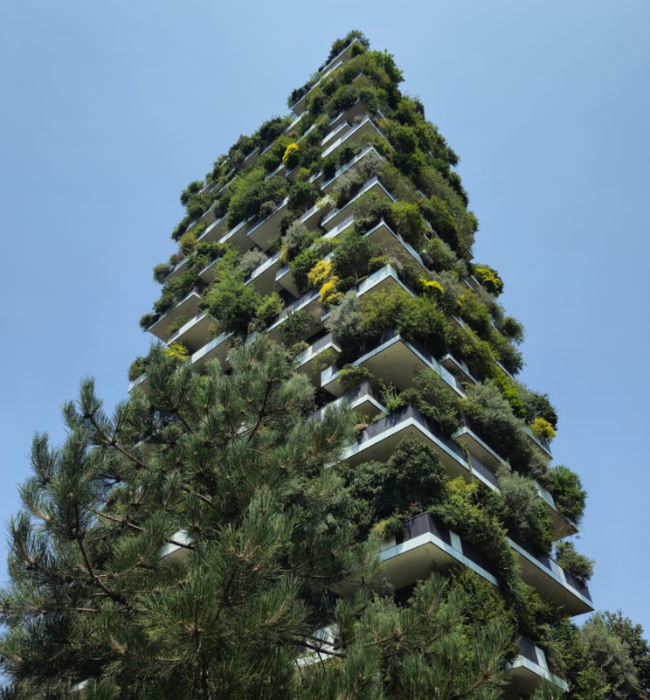
Bosco Verticale, meaning “Vertical Forest”, is made up of two residential towers covered by trees and plants across their balconies. Because they're private residences rather than an attraction you can tour, you don't need to worry about finding an entrance — the surrounding park is actually one of the best places to see and photograph them. BAM connects directly with the surrounding Porta Nuova and Isola areas, so you can get different views as you walk around.
We took a lot of pictures from the park. Seeing the towers in person, with all that greenery growing vertically against the surrounding cityscape, was incredible and only made me more interested in sustainable and green architecture afterwards.
Looking back, this is probably what I enjoyed most about exploring Milan. The Duomo, Navigli and Porta Nuova are completely different from one another, yet you can experience all three within the same city. So, while the famous landmarks are definitely worth seeing, make some time to explore beyond them too — you might find a completely different side of Milan along the way.
And there’s still plenty I want to see when I return to Milan. The Leonardo da Vinci National Museum of Science and Technology is definitely on my list, and next time I’d also love to take a day trip to Lake Como and Lugano. Both are available through WAUG, along with plenty of other experiences to add to your own Milan itinerary.